
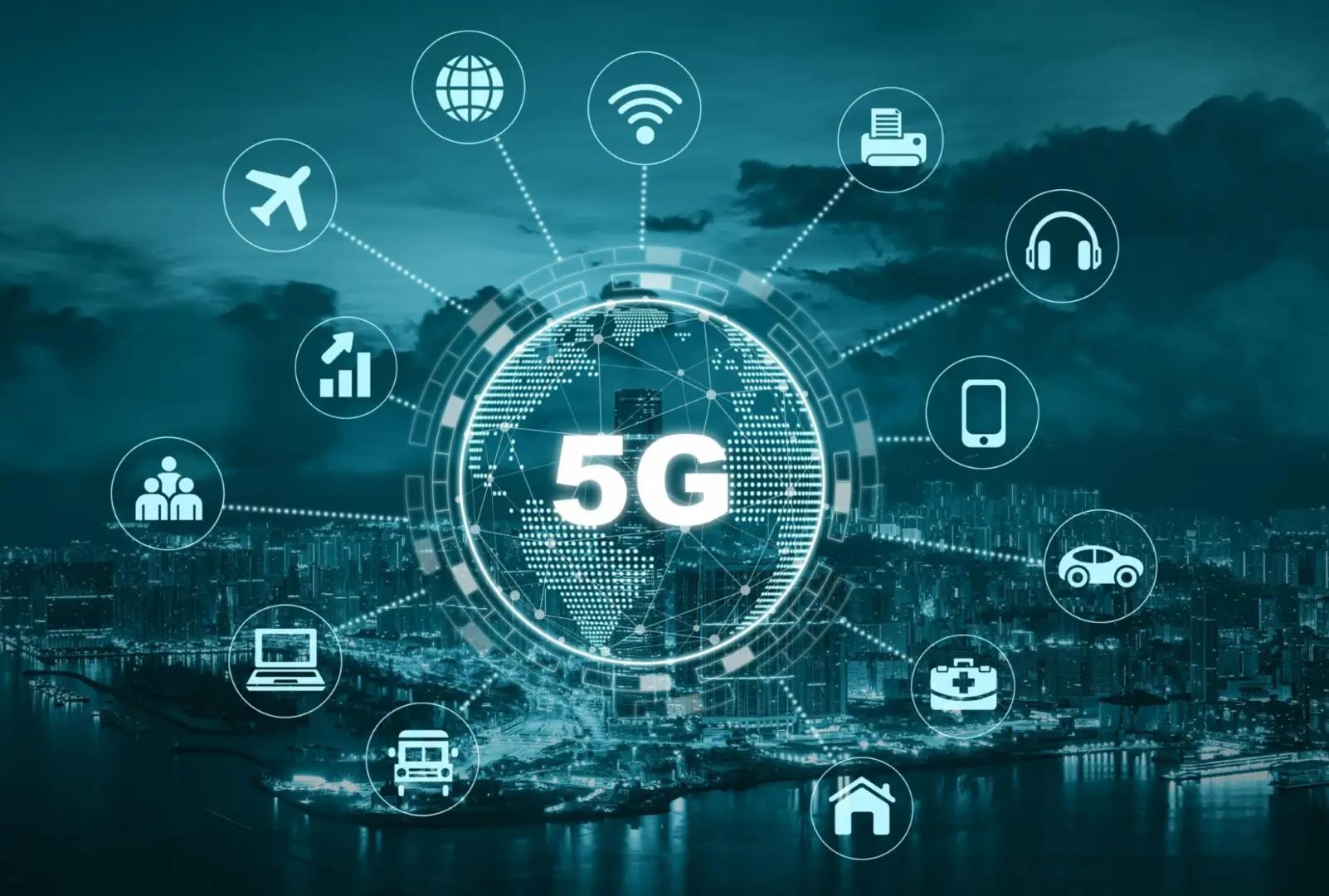
The advent of 5G technology marks a significant milestone in the evolution of mobile networks, promising unprecedented speeds, reduced latency, and enhanced connectivity. As the world transitions into the era of 5G, its impact on mobile app development is poised to be profound, driving innovations and reshaping the landscape of mobile applications.
Revolutionising Speed and Connectivity
One of the most notable benefits of 5G is its incredible speed. With download speeds potentially reaching up to 10 gigabits per second, 5G is approximately 100 times faster than its predecessor, 4G. This leap in speed enables developers to create apps that can handle larger amounts of data without compromising performance. For instance, streaming high-definition videos, downloading large files, and conducting video calls will be smoother and more efficient, enhancing user experience significantly.
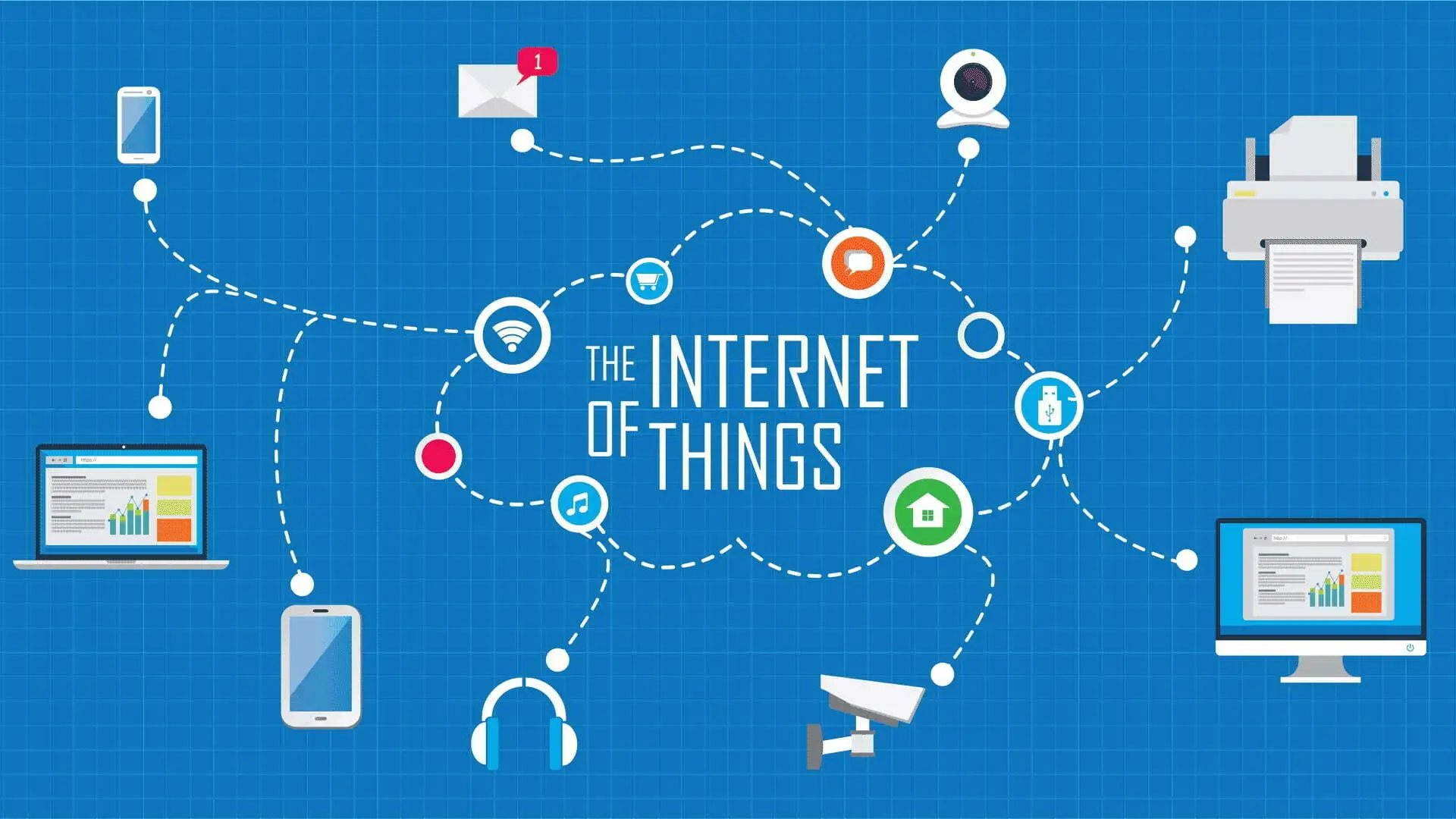
Moreover, 5G’s improved connectivity supports a higher number of devices within the same geographical area without network congestion. This is particularly beneficial for the burgeoning Internet of Things (IoT) ecosystem, where numerous devices need to communicate seamlessly. Developers can now build more sophisticated IoT applications, ranging from smart homes to connected cars, leveraging 5G’s robust network capabilities.
Enhanced User Experiences with Low Latency

Latency, or the time it takes for data to travel from one point to another, is a critical factor in mobile app performance. 5G technology dramatically reduces latency to as low as 1 millisecond, compared to 4G’s 50 milliseconds. This reduction opens up new possibilities for real-time applications that require instant feedback.
Augmented Reality (AR) and Virtual Reality (VR) applications stand to benefit immensely from low latency. These technologies rely on rapid data transmission to deliver immersive experiences. With 5G, developers can create more responsive and realistic AR and VR apps for gaming, education, and training. For instance, AR navigation apps can provide real-time overlays on maps, and VR training programs can offer seamless interactions in virtual environments.
Driving Innovation in App Development

The enhanced capabilities of 5G encourage developers to push the boundaries of what mobile apps can do. For example, edge computing, which involves processing data closer to where it is generated, becomes more viable with 5G. This reduces the burden on central servers and decreases latency further. Mobile apps can leverage edge computing for real-time data analysis, enabling applications such as autonomous driving, remote surgery, and smart city infrastructure.
Furthermore, 5G facilitates the development of more advanced AI-driven applications. The ability to process large volumes of data quickly and efficiently means that AI algorithms can run more smoothly on mobile devices. This will lead to smarter apps with features like advanced voice assistants, personalised content recommendations, and enhanced security measures through real-time threat detection.
Challenges and Considerations

Despite its potential, the integration of 5G into mobile app development is not without challenges. The infrastructure for 5G is still being rolled out globally, and its availability varies by region. Developers must consider the fragmentation of 5G coverage when designing their apps to ensure they function well across different network conditions.
Additionally, the increased data speeds and capabilities of 5G may lead to higher data consumption. Developers need to be mindful of optimising data usage to prevent excessive consumption, which could be a concern for users with limited data plans.
Conclusion
The impact of 5G on mobile app development is transformative, offering opportunities for faster, more reliable, and innovative applications. As 5G technology continues to expand, developers will be able to create richer user experiences, leverage real-time capabilities, and explore new frontiers in mobile technology. While challenges remain, the potential benefits of 5G far outweigh the obstacles, promising a new era of possibilities for mobile app development. As the world moves forward with 5G, the future of mobile apps looks incredibly bright and dynamic.