
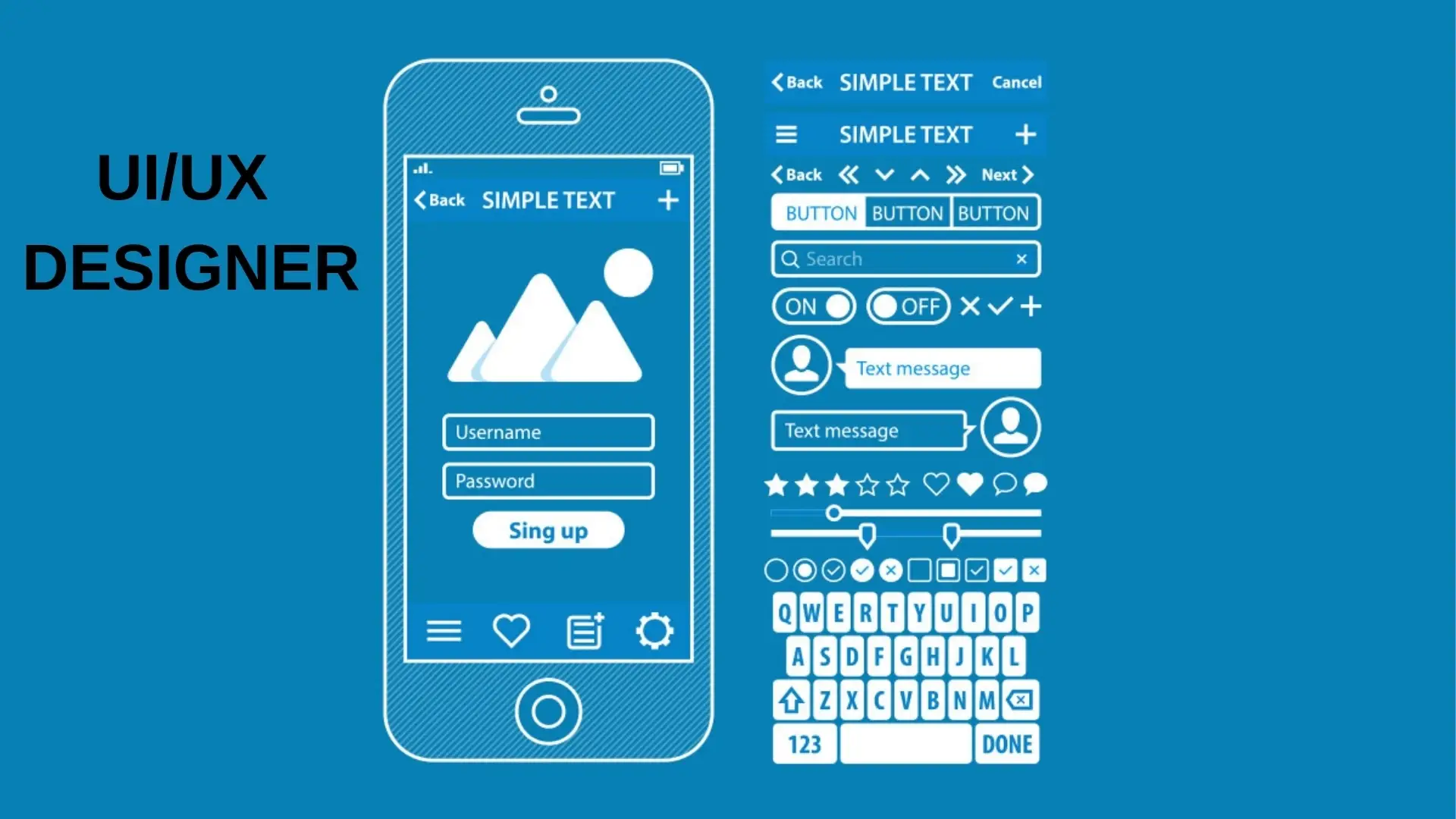
In the digital age, the importance of effective UI (User Interface) and UX (User Experience) design cannot be overstated. As businesses and services increasingly move online, the demand for intuitive, engaging, and efficient digital interfaces continues to grow. For beginners entering the field of UI/UX design, the journey can seem daunting. However, with the right approach and resources, anyone can begin crafting compelling user experiences. This guide aims to provide a comprehensive introduction for those new to UI/UX design.
Understanding the Basics: UI vs. UX

To start, it’s essential to distinguish between UI and UX, two closely related yet distinct aspects of design:
- User Interface (UI) design focuses on the visual elements of a product. This includes buttons, icons, spacing, typography, color schemes, and responsive design. It’s all about creating visually appealing and interactive interfaces that facilitate user interaction.
- User Experience (UX) design, on the other hand, encompasses the overall feel of the user’s journey through a product. This includes usability, functionality, and the ease with which users can achieve their goals. UX design is concerned with optimizing the product’s structure and flow to ensure a seamless and satisfying user experience.
Key Principles of UI/UX Design

- User-Centered Design: At the core of UI/UX design is the user. Understanding the target audience and designing with their needs, preferences, and behaviors in mind is crucial. User-centered design involves extensive user research, including interviews, surveys, and usability testing.
- Consistency: Consistency in design helps users familiarize themselves with the interface more quickly. This includes consistent use of colors, fonts, and button styles throughout the product.
- Simplicity: Simplicity in design enhances usability. Avoid clutter and keep interfaces straightforward. Each element should serve a clear purpose, and unnecessary features should be eliminated.
- Feedback: Providing feedback to users about their actions is vital. This can be through visual cues, such as button animations, or notifications that confirm successful actions or alert users to errors.
- Accessibility: Designing for accessibility ensures that products are usable by people with various disabilities. This includes using appropriate color contrasts, providing text alternatives for images, and ensuring keyboard navigability.
Steps to Get Started in UI/UX Design

- Learn the Fundamentals: Beginners should start by learning the basics of design principles, color theory, typography, and usability. There are numerous online courses and resources available, such as Coursera, Udemy, and free resources like the Interaction Design Foundation.
- Master the Tools: Familiarity with design tools is essential. Popular UI/UX design tools include Adobe XD, Sketch, Figma, and InVision. These tools offer functionalities for creating wireframes, prototypes, and high-fidelity designs.
- Study Design Patterns: Understanding common design patterns and best practices can help beginners create effective and familiar interfaces. Resources like “Material Design” by Google and Apple’s “Human Interface Guidelines” provide valuable insights.
- Build a Portfolio: Practical experience is crucial. Beginners should work on personal projects or volunteer for non-profit organizations to build their portfolios. Showcasing a variety of projects demonstrates versatility and a willingness to learn.
- Seek Feedback and Iterate: Constructive criticism is vital for growth. Sharing work with peers, mentors, or online communities like Dribbble and Behance can provide valuable feedback. Iteration based on feedback is a key part of the design process.
- Stay Updated: The field of UI/UX design is constantly evolving. Keeping up with the latest trends, tools, and techniques is essential. Subscribing to design blogs, attending webinars, and participating in workshops can help designers stay current.
Conclusion

Entering the world of UI/UX design as a beginner can be an exciting and rewarding journey. By understanding the basics, learning the tools of the trade, and continuously seeking to improve through feedback and staying updated with industry trends, aspiring designers can build a strong foundation. With dedication and creativity, anyone can create engaging and user-friendly digital experiences that stand out in today’s competitive landscape.