
In the vast and ever-evolving landscape of cybersecurity, Public Key Infrastructure (PKI) stands as a stalwart guardian of digital transactions, communication, and data integrity. As technology advances and the digital realm expands, the future of PKI is paved with promising innovations and transformative trends. In this blog post, we delve into the emerging horizons of PKI, exploring the trends and technologies that are reshaping its landscape.
The Rise of Quantum-Safe Cryptography

One of the most pressing challenges facing PKI is the advent of quantum computing. With the potential to render current cryptographic algorithms obsolete, quantum computing poses a significant threat to the security of PKI. In response, researchers and cryptographic experts are actively developing quantum-safe cryptographic algorithms that can withstand the computational power of quantum computers. Post-quantum cryptography, including lattice-based cryptography, hash-based cryptography, and multivariate cryptography, holds promise as a viable solution to safeguard PKI in the quantum era.
Decentralised Identity and Self-Sovereign Identity

As concerns over privacy and data ownership escalate, decentralised identity and self-sovereign identity solutions are gaining traction within the PKI domain. These paradigms empower individuals to take control of their digital identities, allowing them to manage and authenticate their identity attributes without relying on centralised authorities. Leveraging blockchain technology and distributed ledger systems, decentralised identity platforms offer a secure and transparent framework for identity management, enhancing privacy, security, and user autonomy in digital interactions.
Integration with Internet of Things (IoT) and Edge Computing
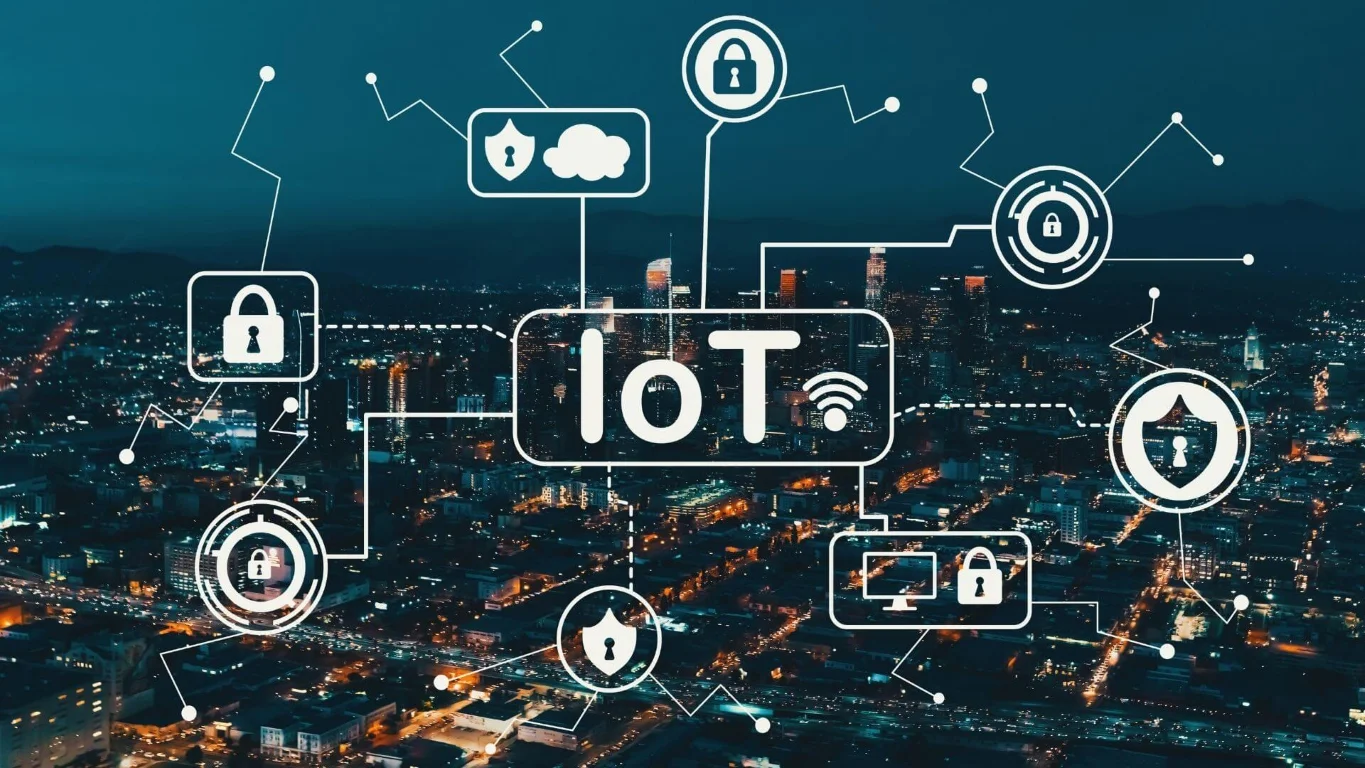
With the proliferation of IoT devices and the advent of edge computing, PKI is poised to play a crucial role in securing the interconnected ecosystem of devices and edge computing nodes. As IoT devices become ubiquitous in various domains, from smart homes to industrial automation, the need for robust authentication, encryption, and integrity mechanisms becomes paramount. PKI provides a foundation for establishing trust and securing communication channels within IoT networks, enabling secure device provisioning, firmware updates, and data transmission in decentralised environments.
Automation and DevSecOps Integration

In an era characterised by rapid development cycles and continuous delivery, the integration of PKI into DevSecOps practices is essential for ensuring the seamless deployment of secure applications and services. Automation tools and orchestration frameworks facilitate the provisioning, management, and renewal of digital certificates within dynamic and distributed environments. By embedding PKI into the CI/CD pipeline, organisations can streamline security processes, mitigate risks, and enhance the resilience of their digital infrastructure against cyber threats.
Enhanced Usability and User Experience

As PKI technologies evolve, there is a growing emphasis on improving the usability and user experience of cryptographic solutions. User-friendly interfaces, simplified certificate management workflows, and seamless integration with existing applications are pivotal in fostering adoption and compliance with PKI best practices. Innovations such as certificate transparency logs, certificate lifecycle management platforms, and identity-proofing mechanisms contribute to enhancing the accessibility and usability of PKI for both end-users and administrators.
Conclusion

The future of Public Key Infrastructure is shaped by a convergence of technological advancements, evolving threat landscapes, and shifting user expectations. As PKI continues to evolve, organisations must embrace emerging trends and technologies to fortify their digital defences, safeguard sensitive information, and uphold the principles of confidentiality, integrity, and authenticity in the digital realm. By embracing quantum-safe cryptography, decentralised identity, IoT integration, DevSecOps practices, and user-centric design principles, the future of PKI holds the promise of a more secure, resilient, and interconnected digital ecosystem.