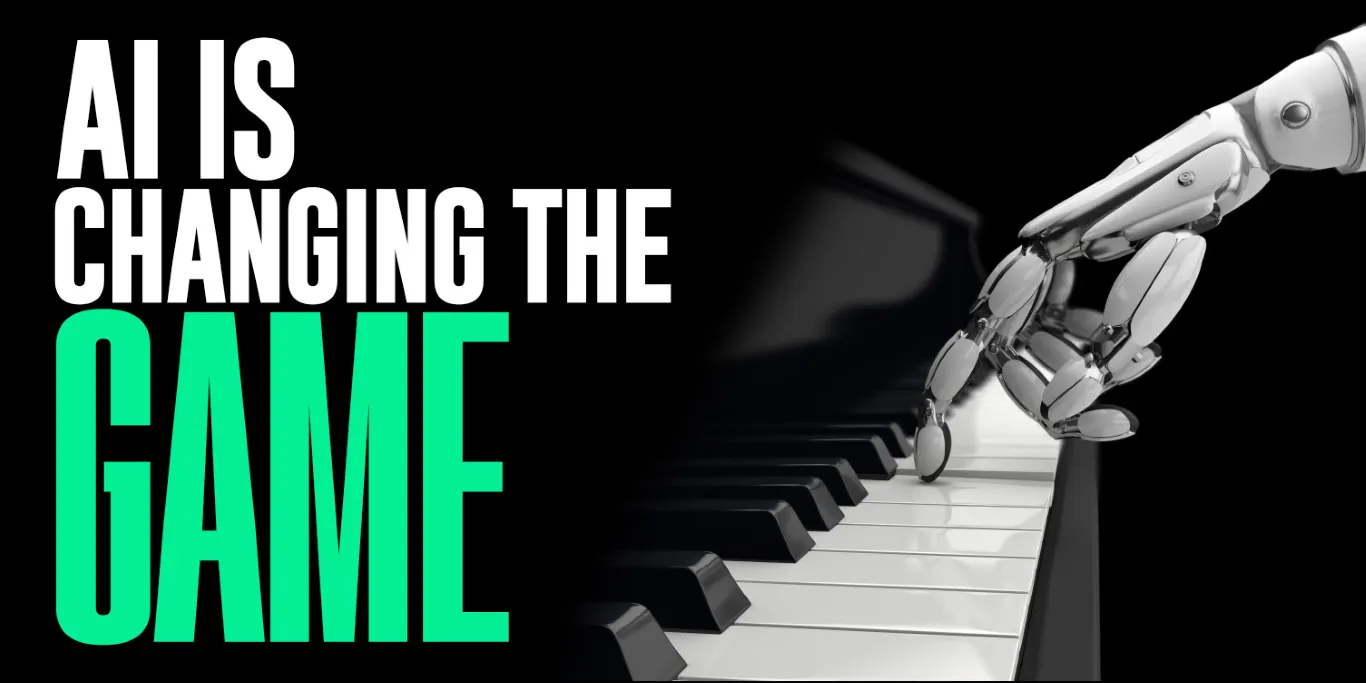
The advent of artificial intelligence (AI) has heralded a new era in various fields, including the creative industries of music, art, and writing. By leveraging advanced algorithms and machine learning techniques, AI is reshaping how creative content is generated, offering novel possibilities and augmenting human creativity.
AI in Music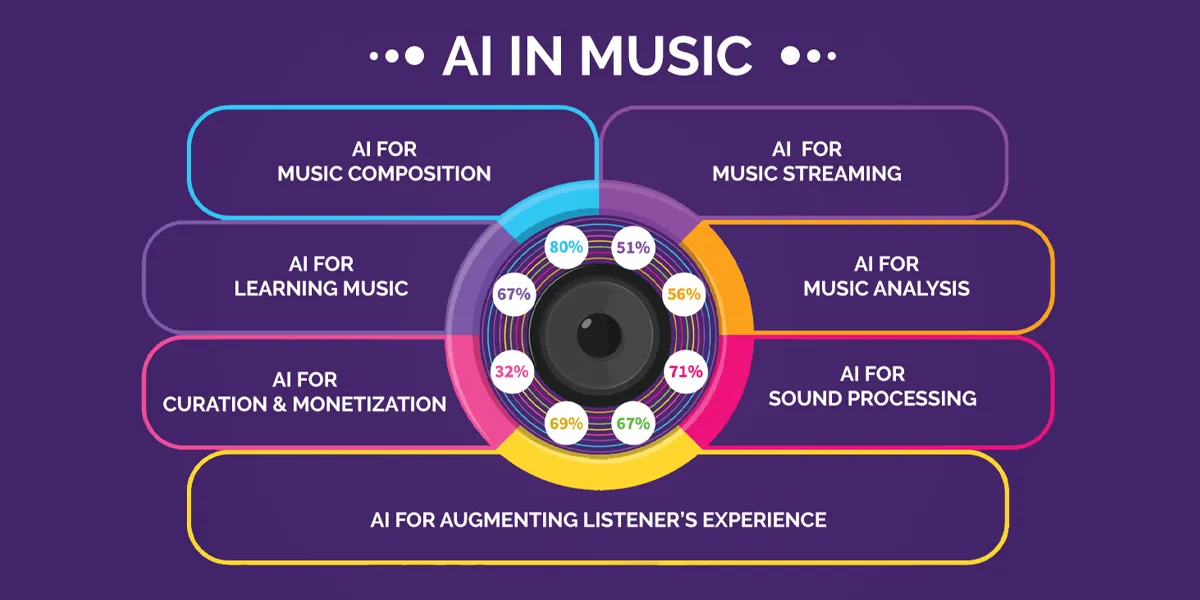
AI’s impact on the music industry is profound, with applications ranging from composition to performance. Tools like OpenAI’s MuseNet and Google’s Magenta use deep learning algorithms to generate music in various styles, mimicking famous composers and creating entirely new compositions. AI can analyse vast amounts of musical data to identify patterns and generate melodies, harmonies, and rhythms that can rival human compositions.
Moreover, AI-powered software assists musicians in the creative process, offering suggestions for chord progressions, harmonies, and even lyrics. These tools democratise music creation, enabling individuals without formal training to produce high-quality music. Additionally, AI algorithms are used in audio engineering to mix and master tracks, ensuring optimal sound quality.
AI in Art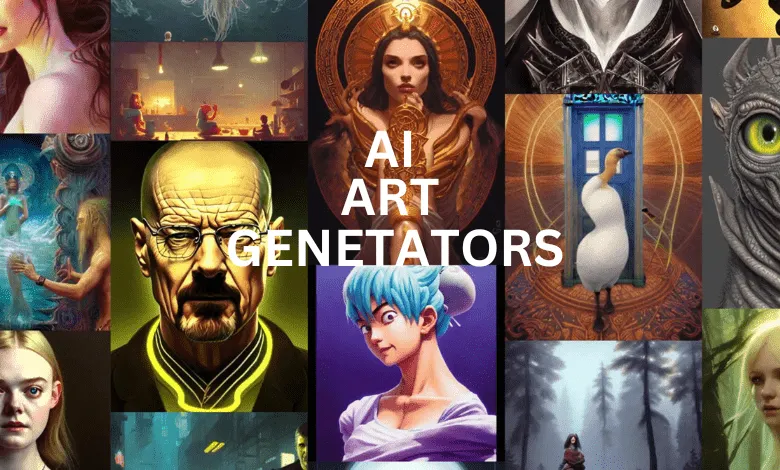
The art world has also embraced AI, with algorithms creating pieces that challenge traditional notions of creativity. Generative Adversarial Networks (GANs), a class of AI algorithms, are particularly influential. They consist of two neural networks—a generator and a discriminator—that work together to create images that are increasingly indistinguishable from human-made art.
AI art generators like DeepArt and Artbreeder allow users to create unique artworks by blending different styles or using existing images as a base. These platforms have led to the emergence of AI artists, such as the AI named “AICAN,” which has had its works displayed in galleries and sold at auctions.
AI’s role in art extends beyond creation. It aids in art restoration by analysing and reconstructing damaged artworks and assists in curatorial practices by analysing trends and predicting the value of artworks.
AI in Writing
In the realm of literature, AI is making strides in generating written content. Natural language processing (NLP) models like OpenAI’s GPT-4 can produce coherent and contextually relevant text, from poetry and short stories to full-length novels. These models are trained on a vast corpora of text, learning the intricacies of language, style, and narrative structure.
AI writing assistants, such as Grammarly and Hemingway, help writers by providing real-time suggestions for improving grammar, style, and readability. They serve as invaluable tools for both professional and amateur writers, enhancing productivity and the quality of the written word.
Furthermore, AI can analyse and summarise large volumes of text, making it an essential tool for researchers and writers who need to sift through vast amounts of information. It can also generate personalised content for marketing and communication, tailoring messages to specific audiences based on data analysis.
The Future of AI in Creative Industries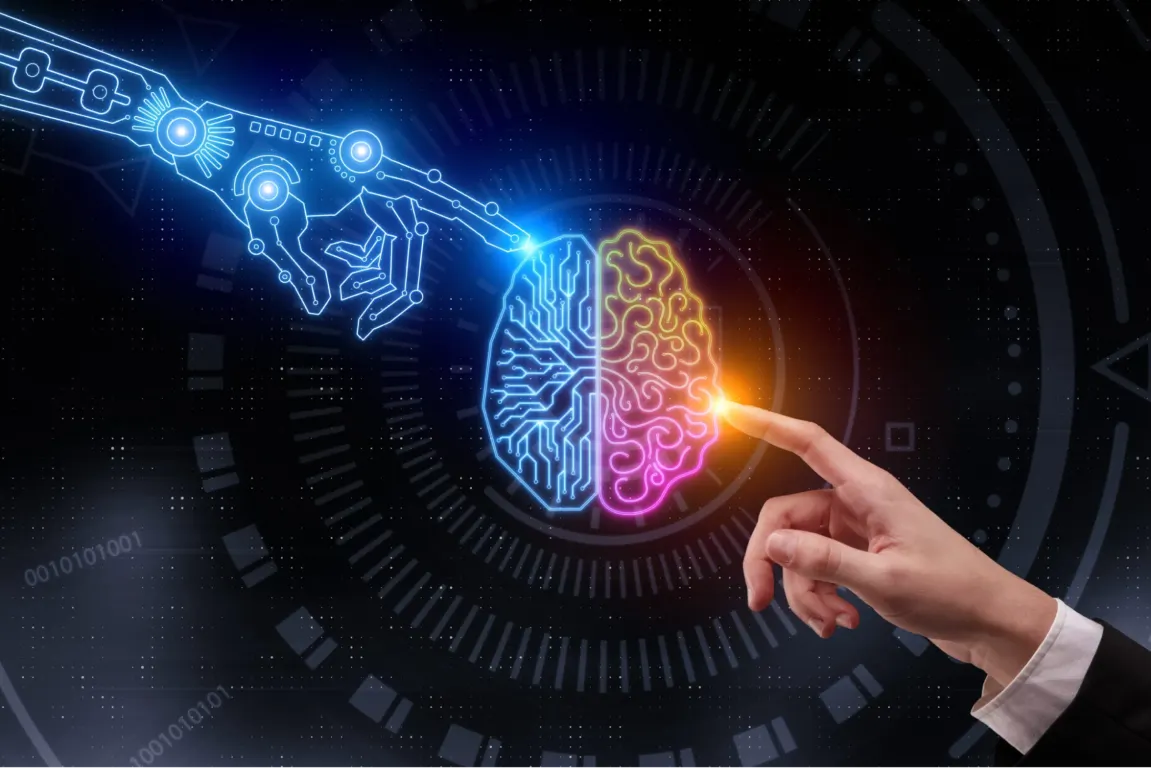
The integration of AI into creative industries is not without its challenges. Questions about authorship, intellectual property, and the authenticity of AI-generated works continue to provoke debate. However, the potential benefits of AI in enhancing human creativity and democratising access to creative tools are undeniable.
As AI technology continues to evolve, it is expected to play an even more significant role in the creative process. Companies like Alpha Designs are at the forefront of this revolution, developing innovative AI solutions that push the boundaries of what is possible in music, art, and writing. By embracing AI, the creative industries can explore new frontiers, creating a future where human and artificial creativity coexist and collaborate.
In conclusion, AI’s role in the creative industries is transformative, offering new ways to generate, enhance, and appreciate creative works. From composing music and creating art to writing literature, AI is a powerful tool that augments human creativity, opening up exciting possibilities for the future.