
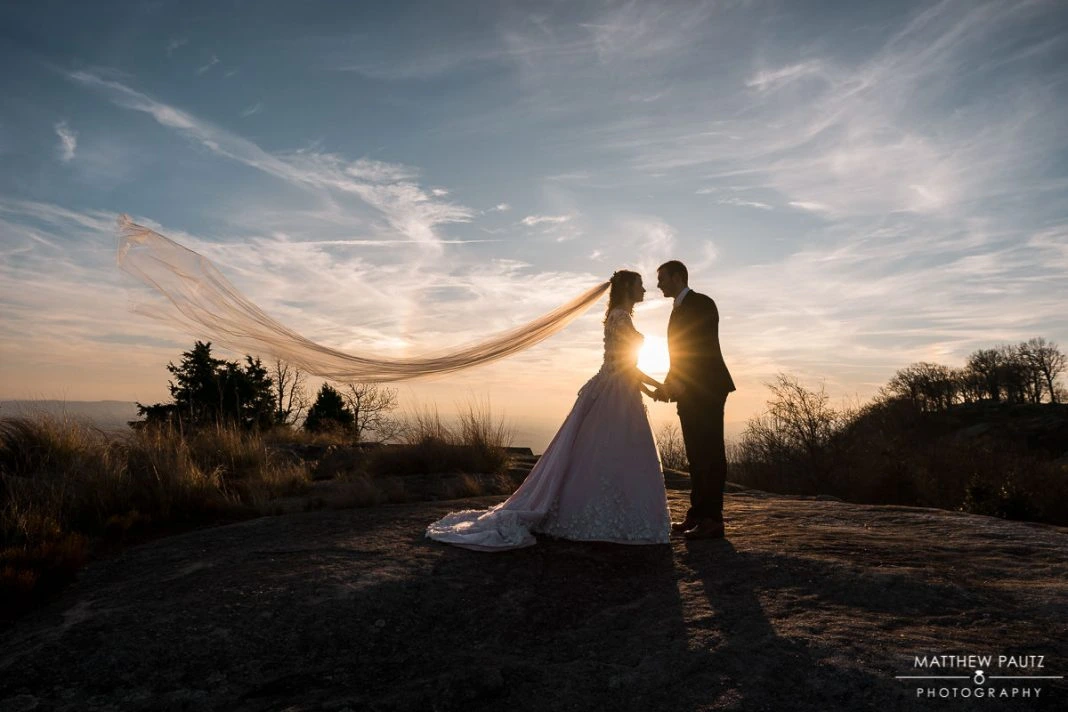
Wedding photography has undergone a significant transformation over the past few decades. From the days of film to the current digital era, the technology used to capture these precious moments has evolved dramatically. This evolution has not only changed the way photographers work but also how couples experience and preserve their special day. explore this journey from film to digital and how it has impacted wedding photography.
The Classic Era: Film Photography
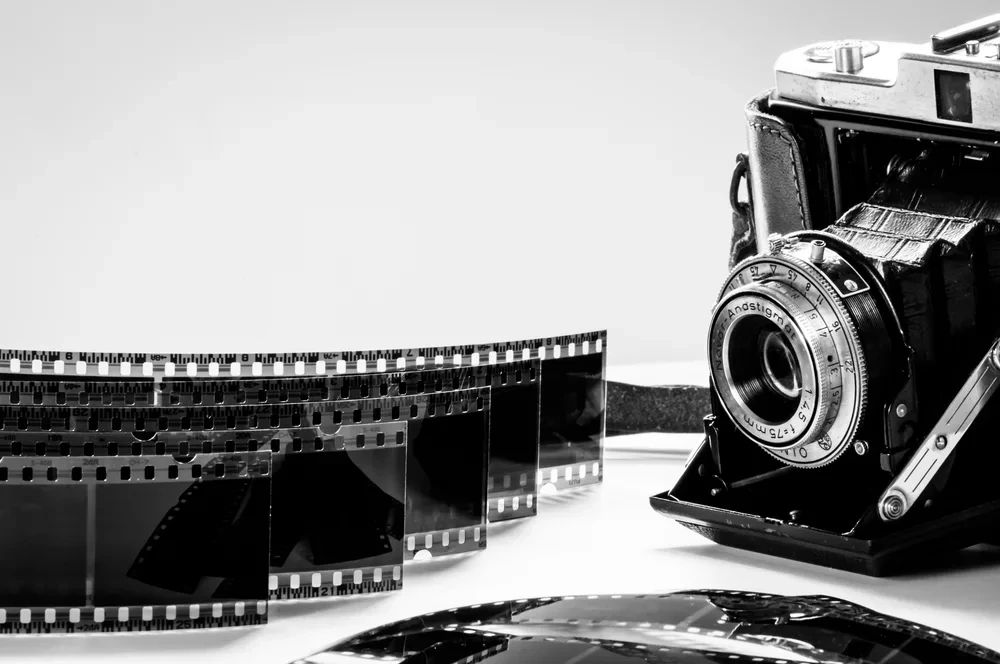
In the classic era of wedding photography, film was the primary medium. Photographers relied on rolls of film to capture each moment, carefully considering every shot due to the limited number of exposures per roll. The process was meticulous and required a deep understanding of lighting, composition, and timing. Developing the film in a darkroom was an art in itself, with photographers often spending hours perfecting each image. The results were tangible prints, cherished in photo albums and framed for display.
The Digital Revolution: Embracing New Possibilities
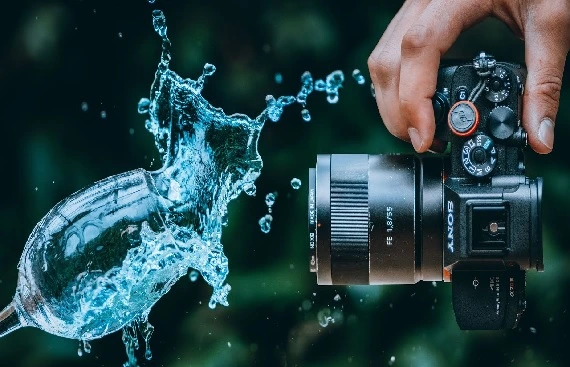
The advent of digital photography in the late 20th century revolutionized the wedding photography industry. Digital cameras offered unprecedented flexibility, allowing photographers to take hundreds, if not thousands, of shots without the constraints of film rolls. Moreover, digital photography streamlined the editing process, with software like Adobe Photoshop enabling photographers to enhance and manipulate images with greater ease and precision.
The Role of Technology: Enhancing Creativity and Quality
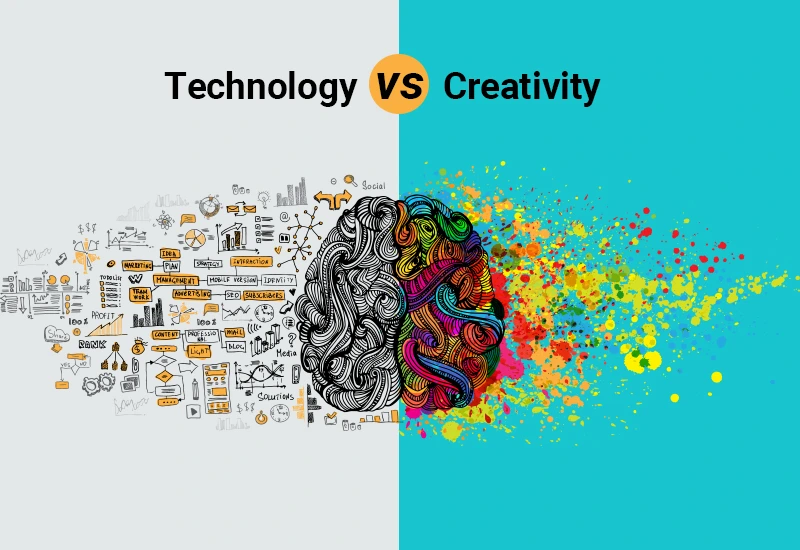
Advancements in digital technology have continued to elevate wedding photography. High-resolution cameras, sophisticated lenses, and powerful editing tools have pushed the boundaries of what’s possible. Photographers can now experiment with various styles, from traditional portraits to photojournalistic storytelling, capturing every detail in stunning clarity. Drones offer breathtaking aerial shots, adding a new dimension to wedding albums.
Preserving Memories: The Future of Wedding Photography

As we look to the future, wedding photography continues to evolve with innovations like virtual reality (VR) and artificial intelligence (AI). VR can create immersive wedding albums, allowing couples to relive their special day in a 360-degree environment. AI-powered tools assist photographers in sorting and editing vast numbers of images efficiently, ensuring that no precious moment is overlooked. These technologies promise to further personalize and enhance the wedding photography experience, making it even more meaningful and memorable.
Conclusion:

The evolution from film to digital has profoundly impacted wedding photography, offering new possibilities and transforming how memories are captured and preserved. While the classic charm of film holds a special place in the hearts of many, digital technology has undeniably enhanced the art of wedding photography.The journey of wedding photography technology is a testament to the endless possibilities that arise when tradition meets innovation.