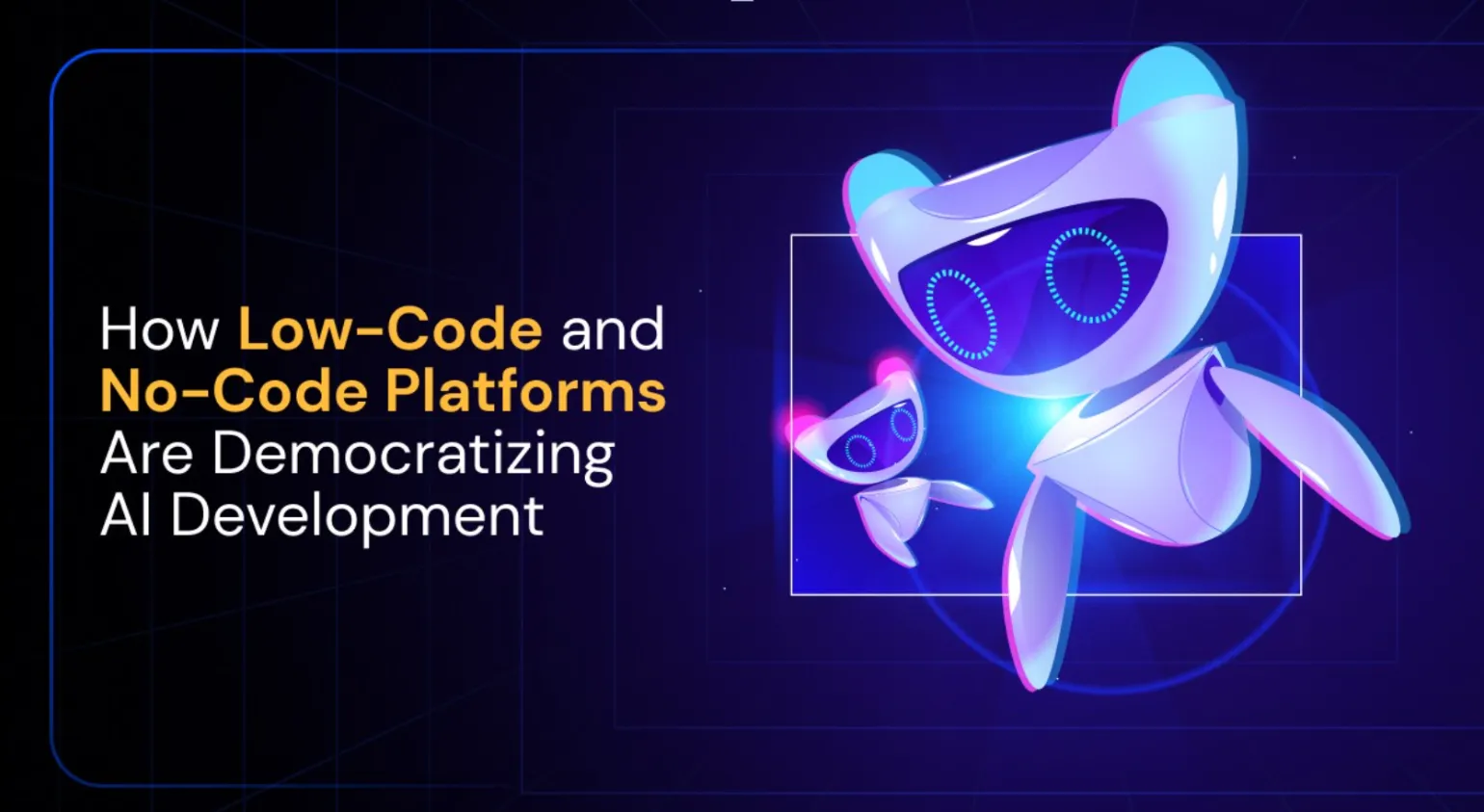
In today’s fast-moving digital world, businesses can’t afford to wait months for a new app or workflow automation. They need speed, flexibility, and innovation and that’s exactly what Low-Code and No-Code (LCNC) platforms deliver.
These platforms are transforming how organizations build software, empowering not just developers but business users, designers, and even managers to create applications with minimal or no coding experience.
At Zero Gravity Technologies, we believe this movement is one of the most important steps in making technology truly inclusive and accessible.
What Are Low-Code and No-Code Platforms?
Low-Code and No-Code platforms are visual development environments that let users design applications using drag-and-drop interfaces and pre-built logic blocks instead of traditional code.
- Low-Code platforms still allow developers to write custom scripts when needed — perfect for more complex solutions.
- No-Code platforms are designed for complete beginners, letting anyone build apps through visual workflows.
Popular examples:
- Low-Code: Microsoft Power Apps, OutSystems, Mendix
- No-Code: Webflow, Bubble, Glide, Airtable
Why the World Is Moving Toward LCNC Development
1. Faster Time to Market
With visual tools and reusable templates, app development becomes up to 10x faster than traditional coding. Teams can launch prototypes, gather feedback, and refine quickly critical for startups and enterprise innovation labs.
2. Bridging the IT Skill Gap
Not every company has a large developer team. LCNC tools empower non-technical employees to automate tasks and build solutions without depending on IT for every request.
3. Cost Efficiency
Building apps traditionally means hiring multiple engineers and managing long development cycles. LCNC platforms reduce development costs and resource requirements significantly.
4. Empowering Citizen Developers
The biggest revolution is cultural employees who understand business problems can now create their own digital solutions. This shift fosters innovation from within.
How Tech Companies Support This Shift
- Providing Integration Ecosystems
Leading IT service firms now build custom connectors and API integrations for LCNC tools, allowing companies to connect these platforms with CRMs, ERPs, and databases. - Offering Governance and Security Layers
As more citizen developers build apps, enterprises need security and compliance frameworks. Tech companies like Zero Gravity Technologies help implement secure low-code infrastructures that scale safely. - Training & Enablement Programs
Organizations now train employees to become citizen developers through guided workshops, LCNC certifications, and hands-on learning turning business analysts into solution creators. - AI-Driven App Building
The future of LCNC lies in AI assistance platforms that can generate app logic, forms, or even workflows through natural language prompts. This combination of AI + LCNC is reshaping enterprise innovation in 2025 and beyond.
Real-World Use Cases
- Retail: Build inventory dashboards and automate restocking alerts.
- Healthcare: Create patient intake apps without complex backend coding.
- Manufacturing: Automate reporting and equipment maintenance logs.
- Marketing Teams: Build campaign tracking tools linked to Google Sheets and CRMs.
The Future of Low-Code / No-Code
By 2030, Gartner predicts that over 70% of new business applications will be built using LCNC tools.
The trend is clear coding knowledge is no longer the bottleneck for innovation.
As LCNC platforms evolve with AI, automation, and cloud-native deployment, businesses that embrace this early will lead the next wave of digital transformation.
Low-Code and No-Code platforms aren’t replacing developers they’re amplifying them.
By empowering every employee to become a creator, businesses unlock a culture of innovation and agility.
At Zero Gravity Technologies, we’re helping organizations adopt LCNC tools, automate workflows, and build scalable apps faster than ever before.