
The landscape of UI/UX design is rapidly evolving, driven by technological advancements and shifting user expectations. Staying ahead of these changes is crucial for designers aiming to create engaging and intuitive digital experiences. This blog explores the emerging technologies and trends that will shape the future of UI/UX design and how designers can embrace these innovations to stay relevant and effective.

Artificial Intelligence and Voice User Interfaces
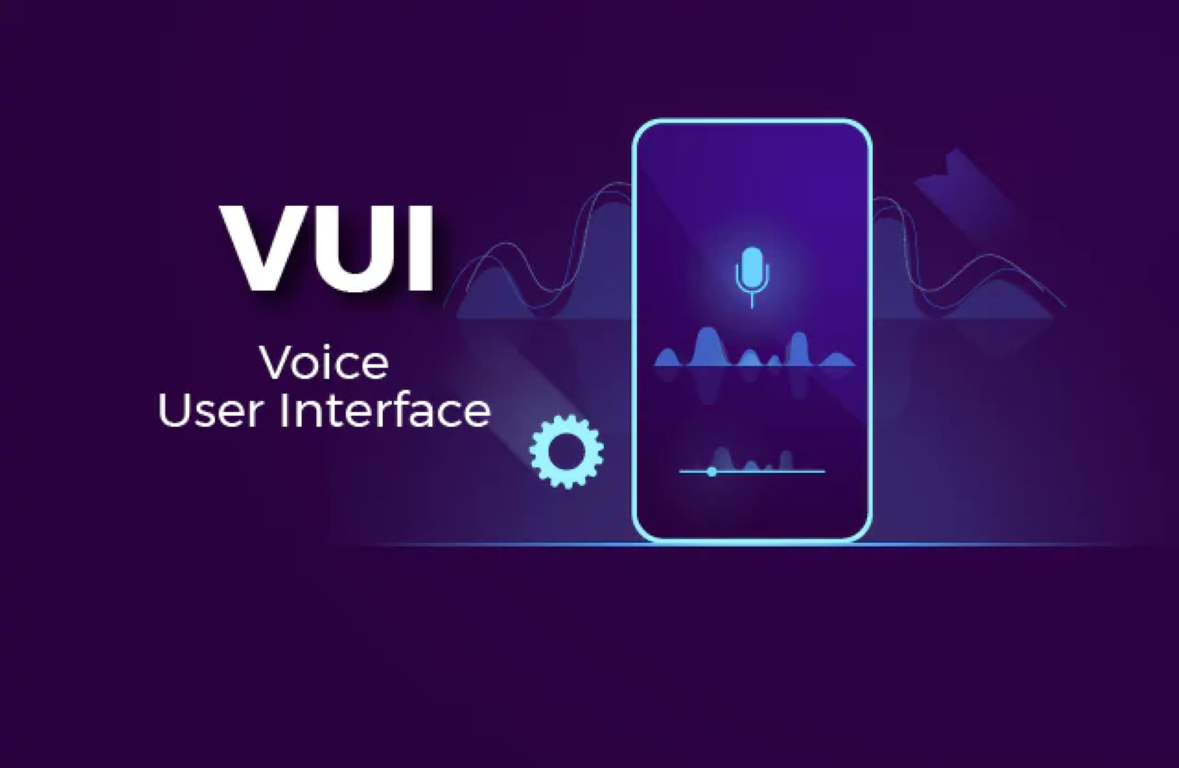
Artificial Intelligence (AI) and Machine Learning (ML) are transforming UI/UX design by enabling highly personalized and efficient user experiences. AI can analyze user behavior and preferences to tailor interfaces accordingly, while chatbots and virtual assistants provide seamless interactions. Additionally, Voice User Interfaces (VUIs) are gaining popularity, allowing users to interact with applications using natural language, which offers a more intuitive and hands-free experience.
Augmented Reality and Micro-Interactions

Augmented Reality (AR) and Virtual Reality (VR) are changing how users interact with digital content. AR enhances the real world with digital overlays, while VR creates immersive virtual environments. These technologies are particularly useful in retail, education, and gaming. On a smaller scale, micro-interactions—subtle animations or design elements—provide feedback and make interfaces feel more responsive and intuitive, enhancing the overall user experience.
Sustainable and Inclusive Design

Sustainable design practices are becoming increasingly important in UI/UX, focusing on minimizing environmental impact and promoting energy efficiency. This includes optimizing digital products for energy efficiency and adopting design principles like minimalism and dark mode. Inclusive design ensures digital products are accessible to all users, regardless of their abilities or circumstances, emphasizing the need for diversity and inclusivity in design processes.
Conclusion

The future of UI/UX design is filled with exciting possibilities driven by emerging technologies and evolving trends. By embracing AI, VUIs, AR, VR, micro-interactions, biometric authentication, neumorphism, sustainable design, and inclusive design practices, designers can create innovative and user-centric experiences. Staying informed and adaptable will be key to navigating the ever-changing landscape of UI/UX design and leading the way in this dynamic field.