
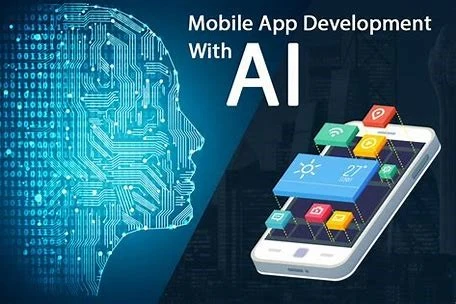
Machine learning (ML) and artificial intelligence (AI) have profoundly reshaped the landscape of mobile app development, introducing new possibilities and capabilities that enhance user experiences and app functionalities. Here are key ways in which ML and AI impact mobile app development:
1.Personalized User Experiences:
ML algorithms analyze user behavior, preferences, and interactions within apps to deliver personalized recommendations and content. This customization fosters more engaging user experiences, boosting retention and satisfaction.
2.Enhanced User Interfaces:
AI-powered tools such as natural language processing (NLP) and computer vision enable developers to create intuitive interfaces. This includes chatbots and voice-enabled interactions that enhance user engagement and usability.
3.Predictive Analytics:
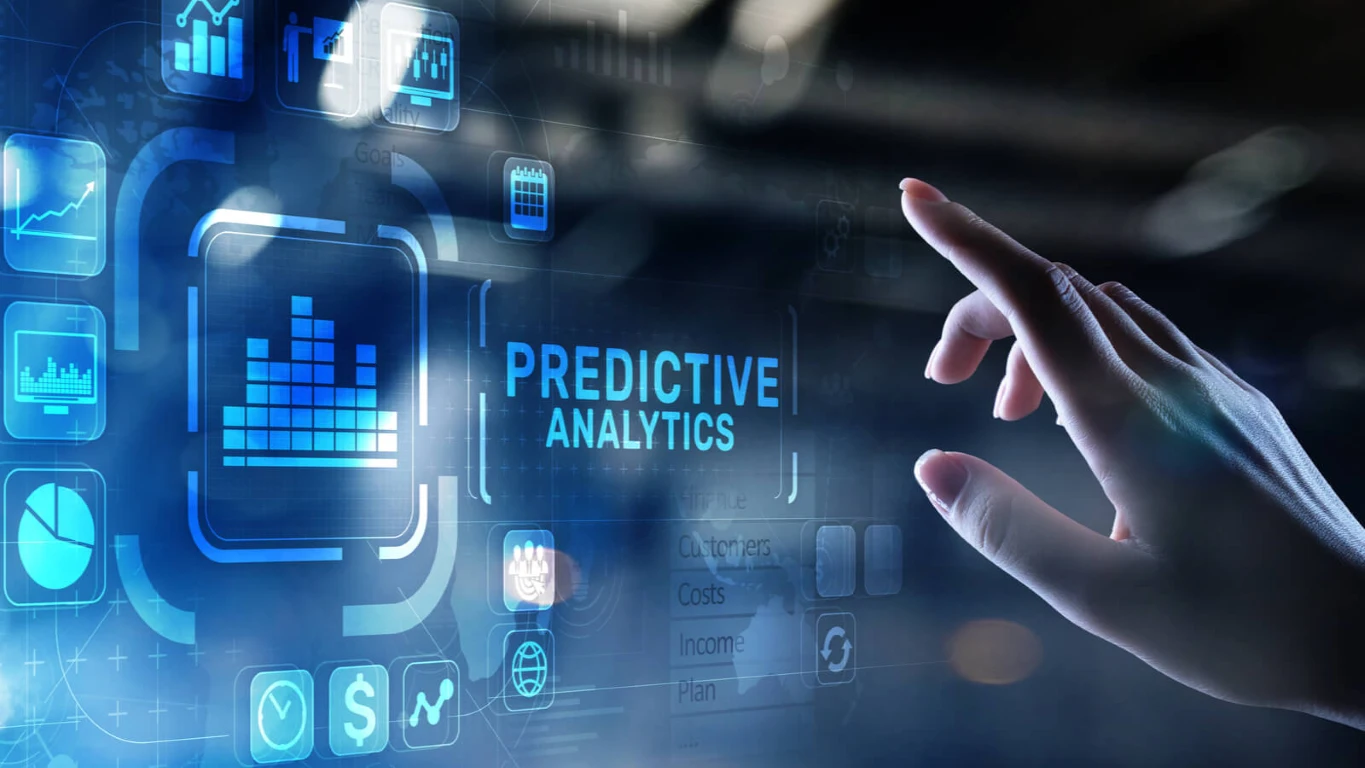
By analyzing large datasets, ML algorithms predict user behavior, trends, and patterns. Developers use these insights to optimize app features, marketing strategies, and user engagement tactics.
4.Improved Security:

AI identifies and mitigates security threats in real-time, leveraging user behavior analysis to detect anomalies and bolster authentication mechanisms. This ensures robust app security and fraud prevention.
5.Automation of Tasks:
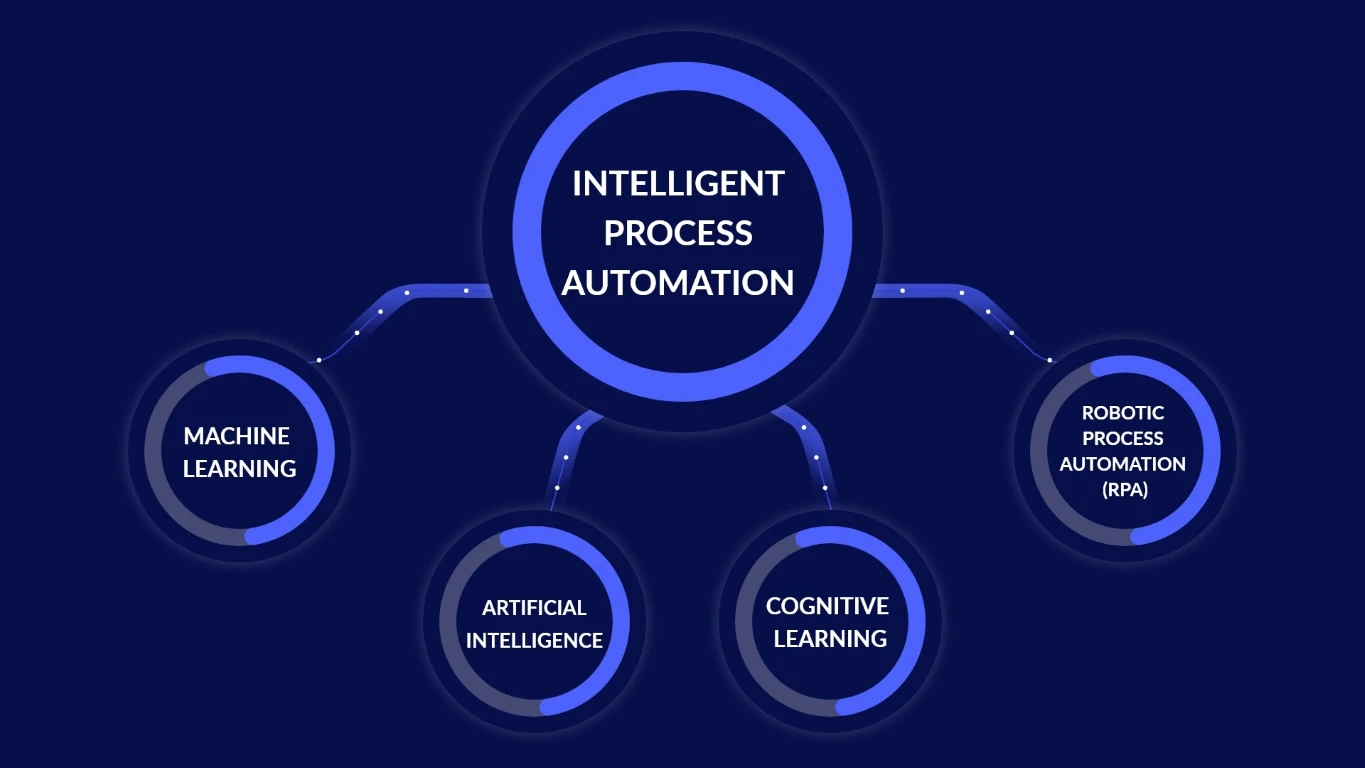
AI automates repetitive tasks like testing, bug fixing, and updates, accelerating development cycles and allowing developers to focus on innovation and user experience enhancements.
6.Enhanced Image and Video Processing:

ML algorithms enhance image and video processing capabilities, powering features like object recognition and AR experiences within mobile apps for immersive user interactions.
7.Optimized Performance:
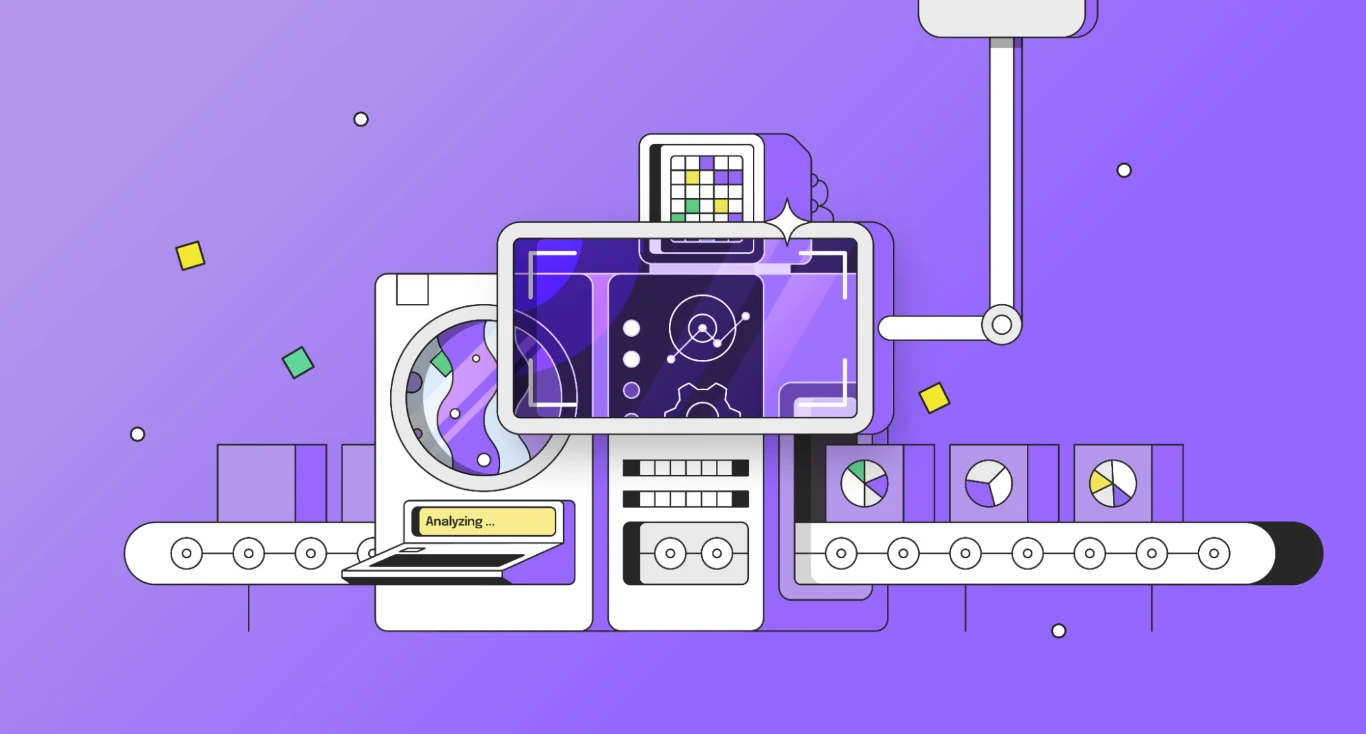
ML-driven optimization improves app performance by analyzing usage patterns and resource allocation. This results in faster load times, smoother navigation, and overall enhanced user satisfaction.
8.Real-time Insights:
AI-driven analytics provide developers with real-time performance metrics and user feedback, facilitating data-driven decisions for app refinement and continuous improvement.
9.Natural Language Processing (NLP):
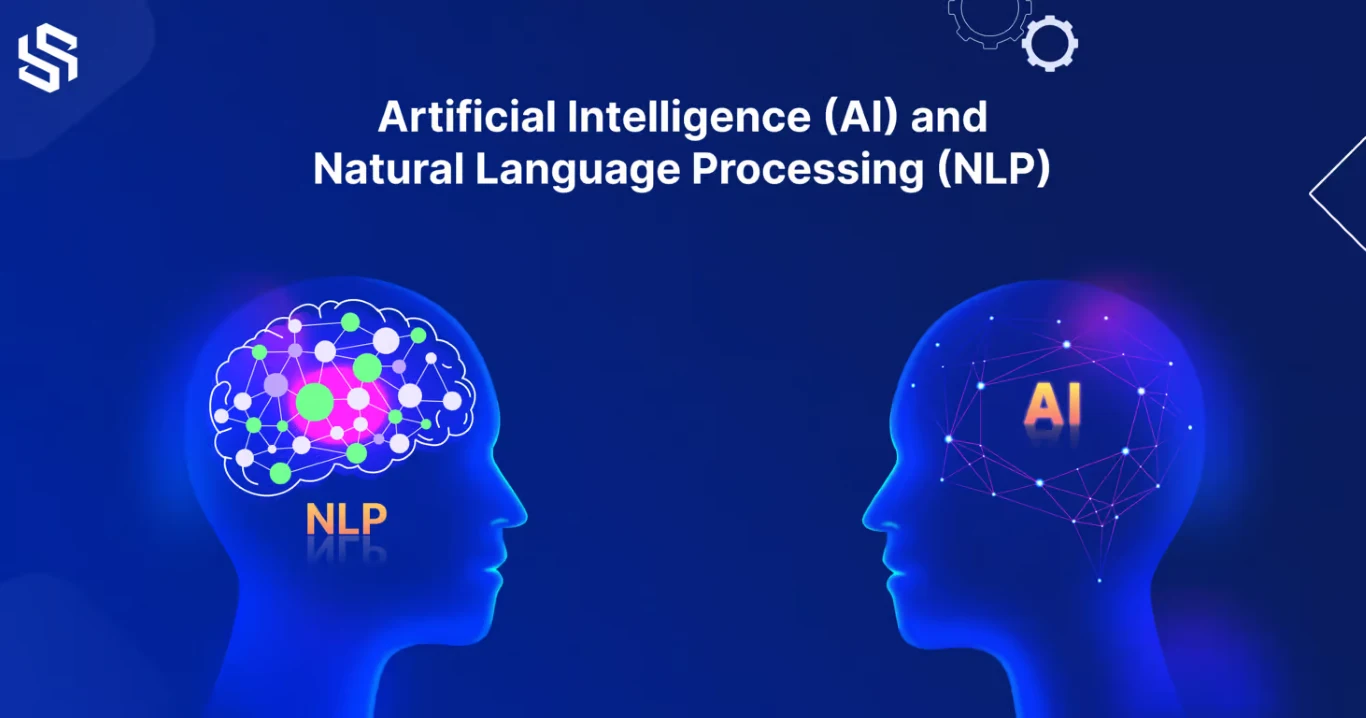
Integrating NLP enables apps to understand and respond to user queries naturally, enhancing customer support through virtual assistants and improving user engagement.
1O.Monetization Strategies:

ML and AI enable personalized monetization strategies such as targeted advertising and in-app purchases based on user behavior, maximizing revenue potential and user satisfaction.
In summary, ML and AI technologies empower developers to create smarter, more responsive mobile apps that deliver personalized experiences, robust security, optimized performance, and innovative features. Embracing these technologies enables developers to stay competitive and meet evolving user expectations in the dynamic mobile app market.