
In the realm of Management Information Systems (MIS), the fusion of artificial intelligence (AI) and machine learning (ML) has emerged as a transformative force, reshaping the way organisations collect, process, and utilise data. From optimising operational efficiency to unlocking strategic insights, AI and ML technologies are revolutionising the landscape of MIS, offering unprecedented opportunities for growth and innovation.
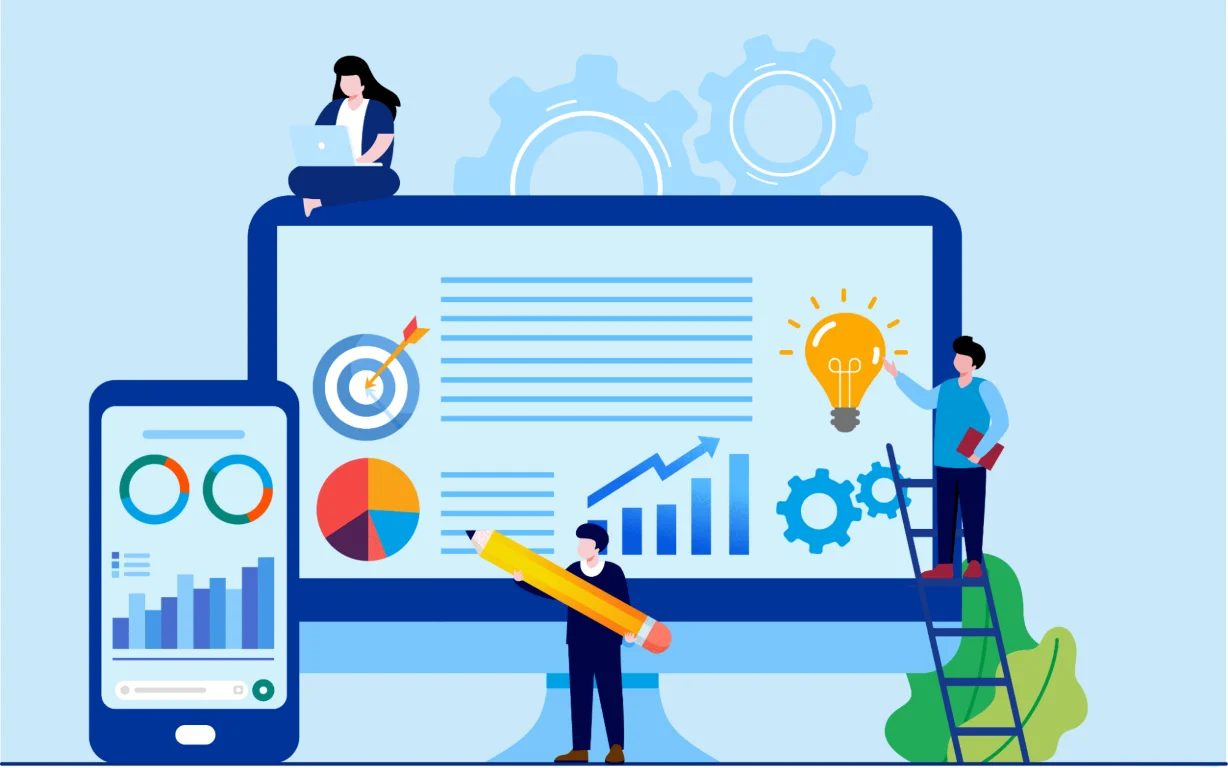
In today’s digital age, businesses are inundated with vast amounts of data generated from various sources, including customer interactions, sales transactions, and supply chain activities. Traditional MIS approaches often struggle to cope with the sheer volume and complexity of this data deluge. However, AI and ML algorithms excel at extracting valuable insights from large datasets, enabling organisations to make informed decisions with greater speed and accuracy.
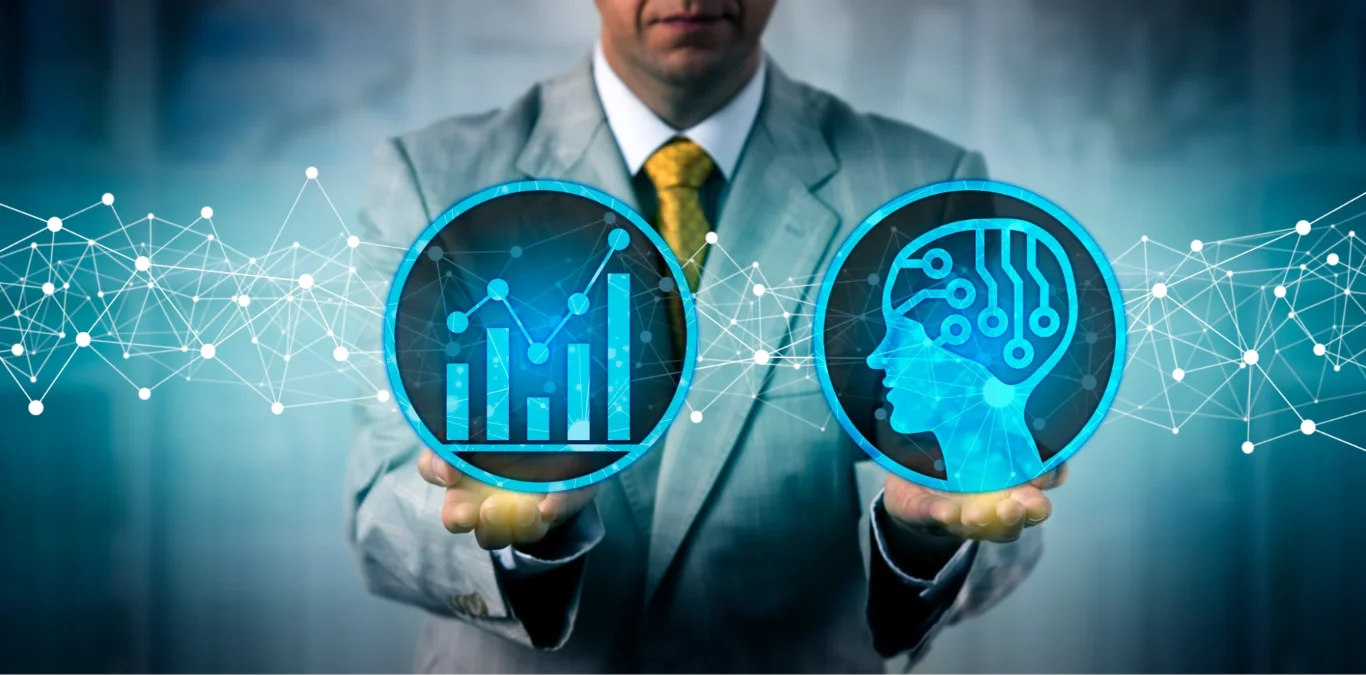
One of the key roles of AI and ML in MIS is predictive analytics. By analysing historical data patterns, these technologies can forecast future trends and outcomes, empowering businesses to anticipate market shifts, identify emerging opportunities, and mitigate potential risks. For instance, predictive analytics algorithms can help retailers optimise inventory management by predicting consumer demand trends, thereby minimising stockouts and overstock situations.

Furthermore, AI-powered chatbots and virtual assistants are enhancing customer service experiences by providing personalised support and resolving inquiries in real-time. These intelligent systems leverage natural language processing (NLP) and sentiment analysis algorithms to understand and respond to user queries effectively. As a result, organisations can streamline their customer support processes, improve customer satisfaction, and foster stronger relationships with their clientele.

In addition to predictive analytics and customer service, AI and ML are also revolutionising decision-making processes within organisations. Through advanced data mining techniques, these technologies can uncover hidden patterns and correlations within datasets, enabling executives to make data-driven decisions with confidence. Whether it’s identifying cost-saving opportunities, optimising resource allocation, or fine-tuning marketing strategies, AI-powered analytics platforms empower businesses to achieve their objectives more efficiently and effectively.
Moreover, AI and ML are driving automation across various aspects of MIS, reducing manual intervention and enhancing operational agility. From automating routine tasks such as data entry and report generation to orchestrating complex workflows and business processes, intelligent automation solutions are streamlining operations, improving productivity, and freeing up human resources to focus on higher-value tasks.

However, despite their immense potential, the adoption of AI and ML in MIS also presents certain challenges and considerations. Data privacy and security concerns, algorithm bias, and the ethical implications of AI-driven decision-making are among the critical issues that organisations must address proactively. Furthermore, ensuring the interoperability and integration of AI and ML systems with existing MIS infrastructure requires careful planning and strategic implementation.

In conclusion, the role of artificial intelligence and machine learning in Management Information Systems cannot be overstated. These technologies hold the key to unlocking unprecedented value from data, driving innovation, and empowering organisations to stay ahead in today’s hyper-competitive business landscape. By harnessing the power of AI and ML, businesses can gain deeper insights, enhance operational efficiency, and deliver superior customer experiences, ultimately positioning themselves for sustainable growth and success in the digital era.